Published January 23, 2026
What is a 1031 Exchange in Real Estate and Why Would Someone Use One?

What Is a 1031 Exchange in Real Estate (and Why Would Someone Use One)?
If you’ve owned an investment property for a while, chances are you’ve built up some equity—and with that comes a potential tax bill when you sell. This is where a 1031 Exchange can be a powerful tool.
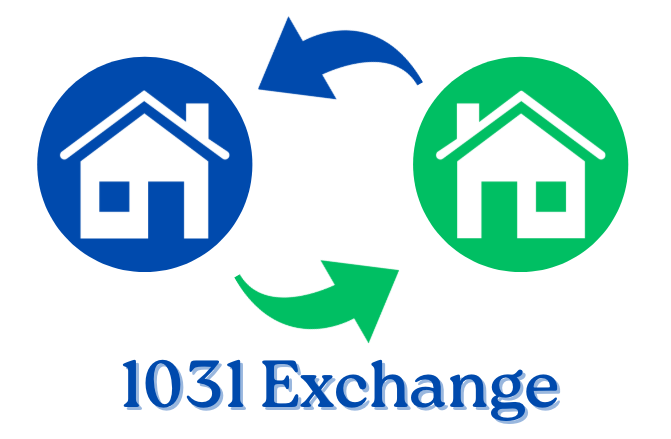
A 1031 Exchange allows real estate investors to defer capital gains taxes when selling one investment property and purchasing another, as long as specific rules are followed. The name comes from Section 1031 of the U.S. tax code, which outlines how this process works.
Let’s break it down in plain English.
What Exactly Is a 1031 Exchange?
A 1031 Exchange lets you sell an investment or rental property and reinvest the proceeds into another “like-kind” investment property without paying capital gains taxes at the time of sale.
Instead of handing a portion of your profit to the IRS right away, you get to keep more of your money working for you in your next property.
Important note:
This applies to investment or business properties only—not primary residences.
Why Would Someone Want to Do a 1031 Exchange?
Here are the most common (and smart) reasons investors choose this strategy:
1. Defer Capital Gains Taxes
Selling an investment property can trigger:
- Capital gains tax
- Depreciation recapture
- State taxes
A 1031 Exchange allows you to postpone those taxes, potentially saving tens—or even hundreds—of thousands of dollars upfront.
2. Grow Your Investment Portfolio
By deferring taxes, you can:
- Reinvest more money into your next property
- Upgrade from a smaller property to a larger one
- Move from one property to multiple properties
This helps investors scale faster and build wealth more efficiently.
3. Improve Cash Flow
Many investors exchange into properties that:
- Generate higher rental income
- Require less maintenance
- Offer stronger long-term appreciation
The result? Better monthly cash flow and less stress.
4. Diversify or Relocate Investments
A 1031 Exchange can be used to:
- Move investments from one market to another
- Shift from residential to commercial (or vice versa)
- Consolidate multiple properties into one—or split one into several
This flexibility is a huge advantage for long-term planning.
5. Estate Planning Benefits
If properties are held until death, heirs may receive a step-up in basis, potentially eliminating the deferred capital gains altogether. This makes 1031 Exchanges a popular strategy for multi-generational wealth planning (always with guidance from a tax professional).
Key Rules You Should Know
A 1031 Exchange is powerful—but it’s also very specific. Some important guidelines include:
- Like-Kind Property:
The new property must be used for investment or business purposes. Most real estate qualifies as “like-kind” to other real estate. - Strict Timelines:
- You have 45 days to identify replacement properties
- You must close on the new property within 180 days
- No Direct Access to the Funds:
The sale proceeds must be held by a qualified intermediary—you can’t touch the money. - Primary Residences Do Not Qualify:
This strategy is for rentals, investment homes, or business properties only.
Is a 1031 Exchange Right for Everyone?
Not always—but for the right investor, it can be a game-changer.
A 1031 Exchange may be a good fit if you:
- Own a rental or investment property
- Are planning to sell and reinvest
- Want to reduce your immediate tax burden
- Are thinking long-term about wealth building
Because the rules are strict, it’s essential to work with the right professionals—including a real estate expert, a qualified intermediary, and a tax advisor.
Final Thoughts
A 1031 Exchange isn’t about avoiding taxes—it’s about strategic timing. By deferring taxes, investors can keep more of their money invested, grow their portfolios, and make smarter long-term moves.
If you’re considering selling an investment property and wondering what your next step could look like, understanding your 1031 Exchange options early can make all the difference.

Stephanie Wardwell
| Stephanie Wardwell | Keller Williams
or another way